April is Autism Acceptance Month, a time dedicated to understanding, respecting, and celebrating individuals with Autism. The month emphasizes inclusion, raises awareness of the challenges and stereotypes people with Autism often face, and encourages communities to embrace neurodiversity by valuing all voices, experiences, and strengths.
Key Aspects of Autism Acceptance Month:
Focus on Acceptance: The shift from “awareness” to “acceptance” emphasizes creating welcoming environments, reducing stigma, and recognizing the meaningful contributions of autistic individuals.
Significance of April 2: The month begins with World Autism Awareness Day, established by the United Nations to encourage global understanding, compassion, and support.
Actionable Involvement: Participation can include joining social media efforts like #CelebrateDifferences, supporting advocacy groups such as the Autism Society of America, and attending local or virtual community events.
Advocacy & Education: Campaigns throughout the month aim to educate the public, promote inclusion in schools and workplaces, and connect families and individuals with valuable resources and support networks.
Facts about Autism in the U.S.A.:
Prevalence: About 1 in 31 U.S. children (3.2%) are identified with autism, based on CDC monitoring of 8‑year‑olds.
Gender Differences: Autism is 3.4 times more common in boys (4.9%) than in girls (1.4%).
Adults on the Spectrum: An estimated 5.4 million U.S. adults (2.2%) have autism.
Diagnosis Age: The median age of diagnosis is 4 years (47 months).
Early Evaluation Gap: Only 50% of children with autism receive a developmental evaluation by age 3.
Education: About 74% of students with Autism graduate high school with a diploma.
Employment: Only 21% of adults with Autism are employed, though rates improve with vocational support.
Long‑Term Trends: Autism prevalence has risen from 1 in 150 (2000) to 1 in 31 today, reflecting improved identification and broader diagnostic criteria.
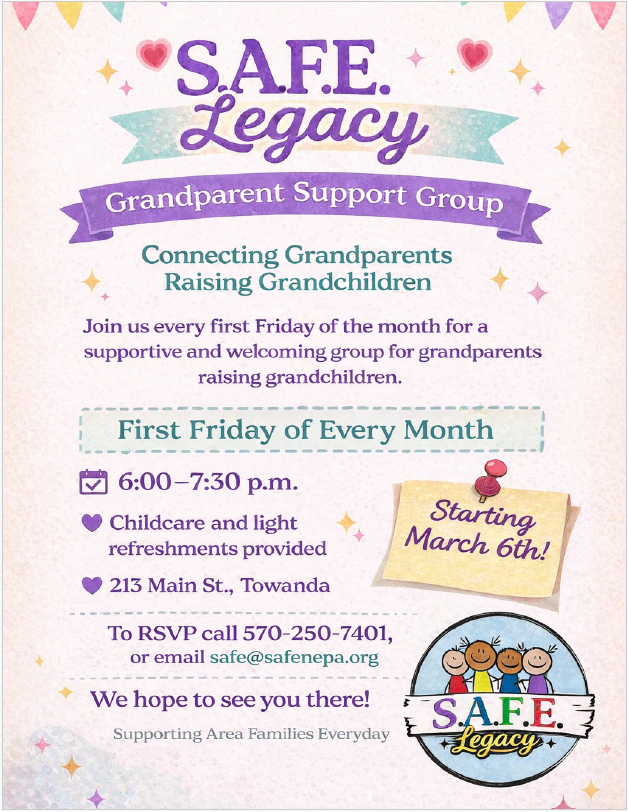
S.A.F.E.
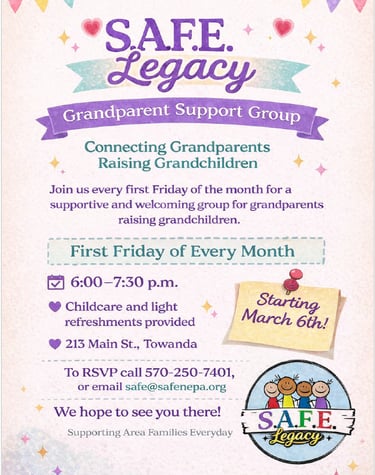
We’re excited to introduce S.A.F.E. Legacy, a new initiative for grandparents raising their grandchildren. It provides support, shared learning, community connection, and access to SAFE’s trauma‑informed resources. Meetings will be held on the first Friday of each month.
S.A.F.E.’s Spring Parenting Classes are now open for enrollment. Join us every Tuesday from March 31–April 28 at 6 p.m. Childcare will be provided onsite for attending families. We look forward to seeing you there!


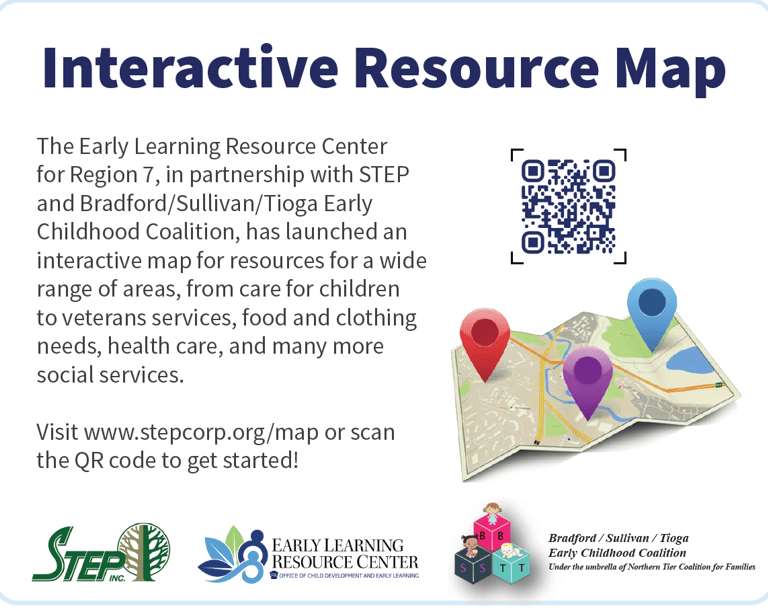
Interactive Resource Map
The ECC is excited to announce our Early Learning Resource Center (ELRC) Region 7 partner in partnership with STEP Inc has launched an interactive Resource Map. This resource map can assist our region with local resources for childcare, food and clothing, healthcare, veterans' services, and many more social services. Check out the Resource Map with scanning the QR Code or visiting their website at www.elrc7.org/map